
Write, Predict, Reflect: A System for Sharper Choices

Today we dive into building a personal decision journal and feedback loop that turns moments of uncertainty into structured learning. You’ll design entries that capture context, make honest forecasts, and revisit outcomes with rigor, so every choice compounds into wisdom. Expect practical templates, review rhythms, scoring methods, and human stories that demystify better judgment and invite you to participate, share experiences, and refine your own process.

Start With Clarity: What to Capture Before You Choose

Great entries begin before any verdict. Capture why the decision matters, who is affected, what constraints exist, and which uncertainties scare you most. This attention calms urgency, exposes assumptions, and clarifies trade-offs. When outcomes eventually arrive, you will have a clean snapshot for honest comparison, avoiding memory’s rosy edits and hindsight bias while building courage to face uncomfortable facts with curiosity.

Context, Objectives, and Constraints

Begin with a crisp statement of the decision, the date, the time horizon, and the stakes. Name your primary objective and secondary goals, then write explicit constraints such as budget, time, energy, or policy limits. Add involved stakeholders and their perspectives. This grounding prevents drifting objectives, frames reasonable alternatives, and ensures your eventual review compares results against what truly mattered at the moment.

Options, Predictions, and Probabilities

List at least three plausible options, then articulate your forecast for each: desired outcome, probability ranges, and expected value, including intangible benefits. If precise numbers feel uncomfortable, write best, base, and worst cases with likelihoods. Capture a clear time window for evaluation. This exercise trains calibration, reveals hidden assumptions, and converts intuition into testable statements that future you can celebrate or correct without shame.


Design a Template You’ll Actually Use

A beautiful system you don’t open is worthless. Craft a minimal, reusable template that prompts the right thinking without friction. Include fields that surface blind spots quickly and keep iteration cheap. Personalize labels in your own language, save a default version, and standardize just enough to make comparisons possible. The goal is reliable capture, not perfection, supported by clarity, speed, and kindness toward your future self.

Close the Loop: Reviews That Train Your Judgment
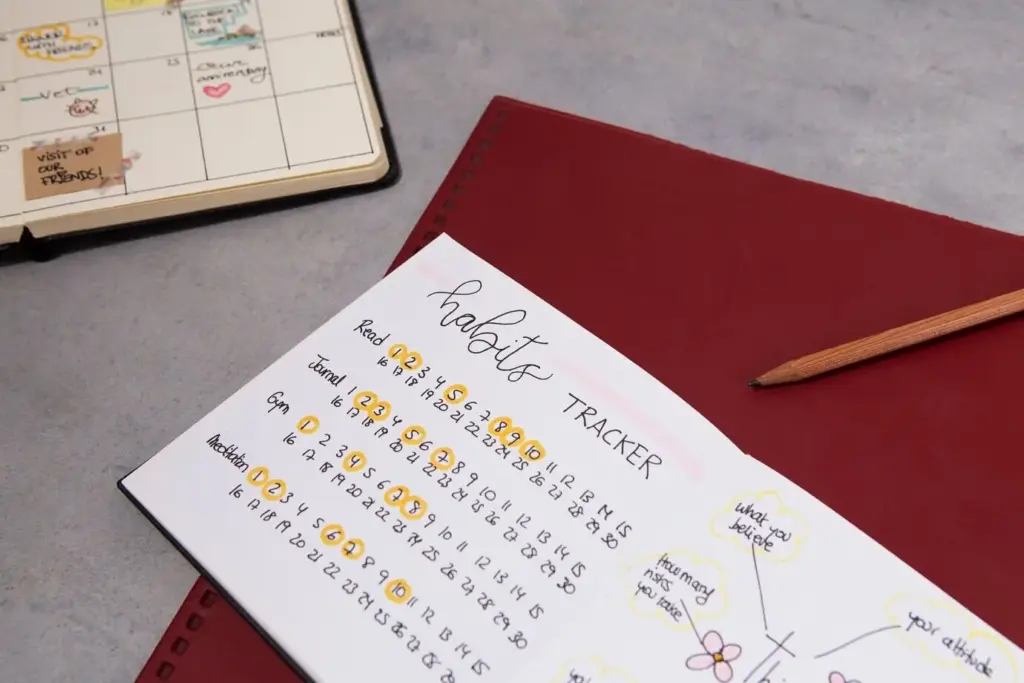
Writing without revisiting is a diary, not a training ground. Schedule weekly, monthly, and quarterly reviews with clear questions: What happened? How accurate were forecasts? What surprised you? Which rules deserve updating? A simple scoring system, coupled with honest categorization of luck versus skill, builds humility without cynicism. Over time, reviews forge dependable instincts that absorb feedback instead of resisting it.

Spreadsheets and Simple Databases

Create columns for decision, date, domain, options, probabilities, expected value, confidence, review date, outcome, and score. Add formulas for Brier scores and pivot tables for domain insights. Keep a separate sheet for principles and checklists. Spreadsheets are transparent, portable, and friendly to quick experiments. Their constraint encourages clarity, helping you build just enough structure to notice stable patterns that deserve attention.

Notes, Graphs, and Templates

A notes app with backlinks turns entries into a living graph of reasoning. Link decisions to related research, quotes, and principles. Save a templated page with prompts and datestamps, then surface upcoming reviews via a dashboard. Embedding small charts for calibration trends encourages frequent reflection. This evolving map transforms isolated choices into a navigable landscape where context, rationale, and lessons remain immediately visible.

Automation, Reminders, and Privacy

Use calendar reminders for reviews, shortcut buttons to spawn new entries, and lightweight automations that append timestamps or tags. Encrypt sensitive files, separate personal and work contexts, and maintain offsite backups. Privacy encourages honesty, and honesty accelerates learning. Automations remove excuses during busy weeks, ensuring the loop keeps turning even when life intensifies, preserving continuity that ultimately compounds into calmer, clearer decisions.

Behavioral Strategies That Keep You Consistent

Systems fail without humane habits. Make the practice small, rewarding, and identity-aligned. Two minutes of journaling is victory, not compromise. Tie entries to existing cues like coffee or commute, show up even when tired, and forgive missed days quickly. Celebrate learning more than outcomes. Over months, behavior becomes character, and character shapes choices that feel less like guesswork and more like guided exploration.

Tiny Commitments and Streaks

Start with micro-entries: one decision, three options, a quick probability estimate, and a sentence about uncertainty. Track a streak for simple visibility, not guilt. When life gets chaotic, shrink the scope rather than skipping. The small win preserves identity and momentum, making it easier to expand later. Consistency turns pages into patterns, patterns into confidence, and confidence into deliberate, adaptable action.

Accountability With Peers

Invite a trusted friend to a monthly judgment circle where each of you shares one reviewed decision, a forecast score, and a lesson. Keep it kind and specific. Outside eyes spot rationalizations you miss. Over time, shared language emerges around base rates, reversals, and triggers. The social container normalizes uncertainty while making courage contagious, transforming private practice into a communal, uplifting discipline.

Designing for Emotion

Attach the practice to soothing rituals: a favorite pen, a quiet playlist, or a short walk. Name discomfort without dramatizing it. Reward completion with a small pleasure like tea or a checkmark ritual. Emotion-sensitive design prevents avoidance and sustains honesty. Instead of forcing willpower daily, you create a space where reflection feels safe, and safety invites the candor that actually strengthens future decisions.

From Entries to Principles: Turning Insight Into Better Choices

A journal becomes powerful when insights harden into reusable rules. Convert patterns into principles, test them with small experiments, and revise quickly. Build checklists that catch recurring mistakes and if-then triggers that guide difficult moments. Invite feedback from mentors to stress-test ideas. Document changes with dates and reasons. Over time, you create a personal playbook that teaches even on chaotic days.
After reviews, distill one observation into a concise principle beginning with a verb. Pair it with a checklist that forces the principle into action at the right moment. Tag by domain and uncertainty type. Revisit quarterly to prune, merge, or elevate. This living library reduces reinvented wheels and keeps good intentions from fading when pressure rises and cognitive bandwidth narrows.
Translate insights into small, falsifiable experiments with success and failure signals. For example, “Use a pre-mortem for medium-stakes choices for one month,” then observe error rates. Add if-then triggers to proceduralize behavior, like “If confidence exceeds seventy percent, seek a disconfirming opinion.” By testing rules deliberately, you evolve from static advice to adaptive strategies that survive shifting contexts and constraints.
Publish sanitized reflections to friends or a private group, ask for counterexamples, and track which suggestions actually improved outcomes. Closing the loop with real voices builds robustness and humility. Share your template, encourage others to try it, and compare scoring methods. Join our conversation, subscribe, and comment with your first experiment, so we can learn together and refine our collective judgment.
Cringeworthynz
Privacy Overview

This website uses cookies so that we can provide you with the best user experience possible. Cookie information is stored in your browser and performs functions such as recognising you when you return to our website and helping our team to understand which sections of the website you find most interesting and useful.